
"coffee alkaloids"
500 article(s) found

Coffee basic knowledge Coffee practice and nutritional knowledge are introduced in detail
Coffee knowledge introduction: coffee is one of the main drinks for westerners. The seeds obtained by removing the pericarp and most of the seed coat after the fruit is ripe are called raw coffee or coffee beans. Raw coffee is roasted and ground to get coffee powder, which can be used to make a drink. Coffee tastes bitter, has a specific flavor, contains caffeine alcohol and 1.3% caffeine alkaloids, and is an anesthetic, diuretic, excitatory and cardiotonic drug. Roasted.

Boutique coffee common sense what is in a cup of coffee?
According to Wired magazine reported on the 11th, many people like to drink coffee, in many countries, coffee is the best-selling drink, the global annual output of coffee beans reached a staggering 16 billion pounds. But specifically, do you know what substances are contained in a cup of coffee? Now scientists have the answer: caffeine is actually an alkaloid plant toxin (such as nicotine and cocaine) that can

Control your coffee mug!
Coffee is one of the three famous drinks in the world. Because coffee is closely related to people's daily life, the relationship between coffee and health has always been concerned by scientists. Raw coffee contains 6.5% protein, 11% fat, sugar inorganic salts and multivitamins, as well as alkaloids such as caffeine, which is as high as 1.5%. Pure caffeine is a white crystal with a bitter taste
Basic knowledge of boutique coffee what is caffeine
Caffeine is a xanthine alkaloid compound, a central nervous system stimulant that temporarily repels drowsiness and restores energy. Caffeinated coffee, tea, soft drinks and energy drinks sell very well, so caffeine is also the most commonly used psychotropic drug in the world. In North America, 90% of adults use caffeine every day. A lot of caffeine.
Coffee common sense question and answer what is caffeine
Caffeine is a xanthine alkaloid compound, a central nervous system stimulant that temporarily repels drowsiness and restores energy. Caffeinated coffee, tea, soft drinks and energy drinks sell very well, so caffeine is also the most commonly used psychotropic drug in the world. In North America, 90% of adults use caffeine every day. A lot of caffeine.

Detailed introduction of the knowledge of high-quality coffee beans in nutritional analysis of coffee
Coffee knowledge introduction: coffee is one of the main drinks for westerners. The seeds obtained by removing the pericarp and most of the seed coat after the fruit is ripe are called raw coffee or coffee beans. Raw coffee is roasted and ground to get coffee powder, which can be used to make a drink. Coffee tastes bitter, has a specific flavor, contains caffeine alcohol and 1.3% caffeine alkaloids, and is an anesthetic, diuretic, excitatory and cardiotonic drug. Roasted.

What is the difference between decaf and ordinary coffee? decaf has flavor characteristics and is suitable for the population.
Some friends like the aroma of coffee, but can not enjoy it, because drinking coffee will bring adverse reactions such as palpitations, insomnia, stomachache and so on. So is bass coffee a better choice? What on earth is decaf? How low can his caffeine level be? First of all, let's know what caffeine is. Caffeine is a plant alkaloid that is the most important plant alkaloid in the world.

Do you get palpitations if you drink too much coffee? Caffeine is just a scapegoat. The truth is...
Professional barista communication Please follow the coffee workshop (official Wechat account cafe_style) some people will feel flustered and pounding after drinking coffee, which is commonly known as heart palpitations. In fact, this is a more subjective discourse, which may be caused by many physiological changes, such as early atrial contraction, early ventricular contraction, tachycardia and so on.

How much caffeine is in the coffee? Caffeine intake caffeine effect
Coffee workshop (Wechat official account cafe_style) caffeine is a xanthine alkaloid compound, is a central nervous system stimulant, can temporarily dispel drowsiness and restore energy, clinical treatment of neurasthenia and coma recovery. Caffeinated coffee, tea, soft drinks and energy drinks are very smooth.

Common sense that coffee is not suitable for people with heart disease
Coffee is one of the three famous drinks in the world. Because coffee is closely related to people's daily life, the relationship between coffee and health has always been concerned by scientists. Raw coffee contains 6.5% protein, 11% fat, sugar inorganic salts and multivitamins, as well as alkaloids such as caffeine, which is as high as 1.5%. Pure caffeine is a white crystal with a bitter taste
"Coffee roaster companion" the chemical substances of raw beans the structure and changes of coffee beans
Chapter 2: chemical substances of raw beans author: Scott Rao translator: Huaxia coffee raw beans are strong and green seeds, 50% of which are different forms of carbohydrates, and the other 50% are composed of water, proteins, lipids, acids, and various biological bases. Coffee roasters can bake good coffee without knowing the many chemicals in raw beans, but

Effects and side effects of caffeine
Following Cafe (official Wechat account vdailycom) found that caffeine opened a small shop of its own. Caffeine is an odorless, bitter crystal that is soluble in water and alcohol. It can directly affect the central nervous system and cardiovascular system, because there are great differences between people, so the response is also different; now many functional drinks add caffeine.

How does the aroma of coffee beans come from? what kind of substances does the aroma of coffee come from?
Professional coffee knowledge exchange more coffee bean information please follow the coffee workshop (Wechat official account cafe_style) Front Street-Coffee bean flavor substances non-volatile substances in coffee include: alkaloids (caffeine and trigonelline), chlorogenic acid, carboxylic acid, carbohydrates and polysaccharides, lipids, proteins, melanoids and minerals. Caffeine: it is soluble in water and will shadow.

Coffee beans: coffee beans, coffee beans
Coffee bitter taste, with a specific flavor, containing caffeine alcohol and 1.3% caffeine alkaloids, for anesthesia, diuretic, excitatory and cardiotonic drugs. Roasted coffee also has the effect of helping digestion; 2. Coffee contains caffeine, which stimulates the central nervous system, promotes the decomposition of liver glycogen, and raises blood sugar. Moderate drinking can make people temporarily energetic, quick thinking. shipped

The nutrition of coffee
Coffee is one of the main drinks for westerners. The seeds obtained by removing the pericarp and most of the seed coat after the fruit is ripe are called raw coffee or coffee beans. Raw coffee is roasted and ground to get coffee powder, which can be used to make a drink.
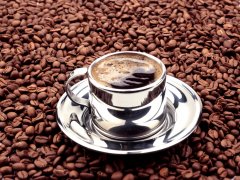
Family practices and taboos of coffee
[introduction] Coffee is one of the main drinks in the West. The seeds obtained by removing the pericarp and most of the seed coat after the fruit is ripe are called raw coffee or coffee beans. Raw coffee is roasted and ground to get coffee powder, which can be used to make a drink. Coffee tastes bitter, has a specific flavor, contains caffeine alcohol and 1.3% caffeine alkaloids, and is an anesthetic, diuretic, excitatory and cardiotonic drug. Baking

Coffee bean knowledge
Introduction to coffee beans: raw products are yellow or dark green; baked products are dark brown with special aroma and taste slightly bitter and astringent. The efficacy and function of coffee beans 1. Coffee tastes bitter, has a specific flavor, contains caffeine alcohol and 1.3% caffeine alkaloids, and is an anesthetic, diuretic, excitatory and cardiotonic drug. Roasted coffee also has digestive effect; 2. Coffee contains caffeine and stimulates the central nervous system

Coffee companions who drink coffee with brown sugar coffee.
Coffee contains caffeine and more than 300 aromatic ingredients. Caffeine is an alkaloid that relaxes tension and repels drowsiness in small amounts, but if consumed in large amounts, it can be poisoned and cause gastritis and stomach ulcers. Vitamin A can protect the mucous membrane, skin and stomach wall, drink coffee with some cheese, eggs, butter, carrots or green leafy vegetables, etc., can supplement some vitamin A,

Coffee bath beauty skin with coffee bath you have done it?
Coffee bath key effect: firm skin beauty reason: caffeine contained in coffee is the most natural body drainage agent, can drain excess water from the body, eliminate edema. At the same time, the alkaloids in coffee can also excite the central nervous system and promote smooth and moist skin. Bathing method: pour about 30ml of brewed espresso into the bathtub and fill it with hot water. Special note: do not use two together

The nutrition of coffee
Coffee tastes bitter, has a specific flavor, contains caffeine alcohol and 1.3% caffeine alkaloids, and is an anesthetic, diuretic, excitatory and cardiotonic drug. Roasted coffee is also good for digestion. Coffee contains caffeine, which can stimulate the central nervous system, promote the decomposition of liver glycogen and raise blood sugar. Moderate drinking can make people temporarily energetic and quick-thinking. Drinking after exercise can relieve fatigue.